
Rocket Casino – Ihrer Partner für gelungene Abenteuer in Deutschland
January 6, 2026Shopping Mall Pause Aquatic Surge Game Among Stores across United Kingdom
January 6, 2026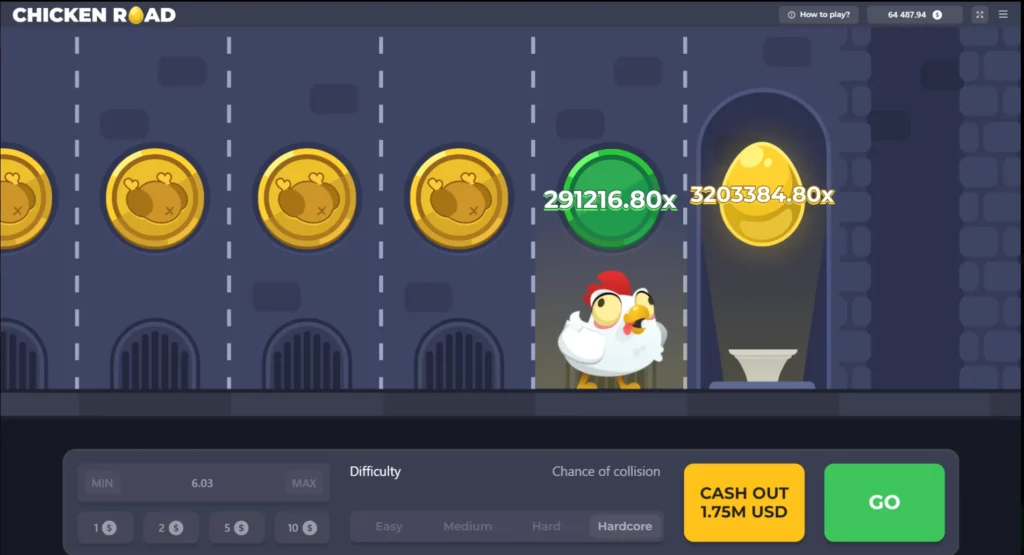
When we examine the RTP of the Poultry Road match, https://chickensroadcasino.com/reviews-real-or-fake/, it’s clear that UK players should pay close attention. RTP offers important information into potential earnings, but it’s not the whole story. While Chicken Road’s figures align well with sector norms, we can’t assume that higher RTP converts to frequent payments. Let’s explore how its RTP contrasts to other games and what strategies we can employ for a more rewarding encounter.
Key Takeaways
- Chicken Road’s RTP is competitive, aligning with industry benchmarks, providing a solid risk-reward balance for players.
- Many UK gamers prefer slot matches with elevated RTPs for better long-term outcomes and gains.
- While elevated RTP indicates improved anticipated gains, it does not ensure frequent wins during gameplay.
- Understanding RTP assists gamers formulate educated choices about game selection and betting tactics.
- Misconceptions often occur regarding RTP; it indicates long-term gains, not instant victory frequency or payout amount.
Understanding RTP: What It Means for Players
When it pertains to digital gaming, understanding Return to Player (RTP) is essential for us as gamers. The RTP definition essentially represents the proportion of bets given back to gamers over time, shaping our play encounter. Generally, elevated RTPs guide us to expect better gains on our wagers, which immediately affects our strategy. By understanding how these proportions work, we can make informed decisions, establishing realistic player expectations. For instance, an RTP of 95% means that, theoretically, for every £100 wagered, £95 is given back. This comprehension helps us consider risks versus rewards, improving our entire play method. It’s not just about winning; it’s about mastering the chances and maneuvering the intricacies of each game with confidence.
The Importance of RTP in Slot Games
As we delve into the realm of slot games, understanding RTP is pivotal for improving our gaming experience. RTP, or Return to Player, offers us with a vital definition of how much we can predict to win back over time. Basically, a higher RTP can translate to better long-term outcomes. By familiarizing ourselves with RTP definitions, we can make educated choices on which games to play, enabling us to maximize our returns. Applying sound RTP strategies enables us to select games that match with our risk tolerance and play styles. Whether we prefer high volatility for quick payouts or lower volatility for prolonged play, we can approach our gaming adventures with confidence, guaranteeing we stay ahead of the odds.
How Chicken Road’s RTP Compares to Other Games
Though many players might fixate solely on game themes or graphics, understanding how Chicken Road’s RTP compares against other slot games is vital for making strategic gameplay choices. In the Chicken Road RTP comparison, we see that its percentage closely aligns with industry standards, giving a competitive edge for astute UK players. Relative to popular titles, its RTP might draw to those seeking a solid balance between risk and reward. Notably, many UK player preferences incline towards games with higher RTPs, making Chicken Road an interesting contender. By scrutinizing these differences, we can better explore our options, enabling us to make informed decisions that enhance our overall gaming experience while enhancing potential returns.
Tips for Maximizing Your Gameplay With RTP in Mind
Understanding RTP not only guides our selection of games but also shapes our overall approach while playing Chicken Road. To optimize our gameplay, we need to evaluate our bet sizing thoughtfully. By choosing a balanced bet size, we can prolong our playtime and seize more opportunities to trigger bonus rounds, boosting our potential returns. Furthermore, we should focus on playing during special events when bonus rounds may offer higher RTP. Keeping an eye on our bankroll is essential; we should modify our bets according to our budget and the RTP we’re experiencing. By implementing these strategies, we place ourselves to make informed decisions, fully leveraging the advantages that Chicken Road has to offer in terms of RTP.

Common Misconceptions About RTP and Winning Chances

Many players mistakenly believe that a higher RTP guarantees frequent wins in Chicken Road. This belief, stemming from common RTP myths, misleads our payout expectations. While a higher RTP suggests a better long-term return, it doesn’t always result in short-term gains. Volatility factors play a significant role in determining how often we can anticipate returns. High-volatility games may yield larger payouts but fewer wins, while low-volatility counterparts offer smaller, more consistent returns. It’s essential that we understand the difference between return frequency and expected returns. By recognizing these concepts, we can approach our gaming experience with practical expectations and enhanced strategies, eventually maximizing our enjoyment and potential success in Chicken Road.
Conclusion
In conclusion, while we might hope for our chicken to cross the road with pockets full of cash, we can’t rely solely on RTP for our winnings. It’s tempting to think a higher RTP guarantees frequent jackpots, but let’s not fool ourselves. The real gamble resides in understanding that wins are unpredictable. So, as we begin our Chicken Road adventure, let’s fold our optimism with a dash of skepticism and remember that gaming is as much about the thrill as it is about strategy.
